In today’s post, we’ll be discussing the subtle gray hair mistakes that you need to fix ASAP.
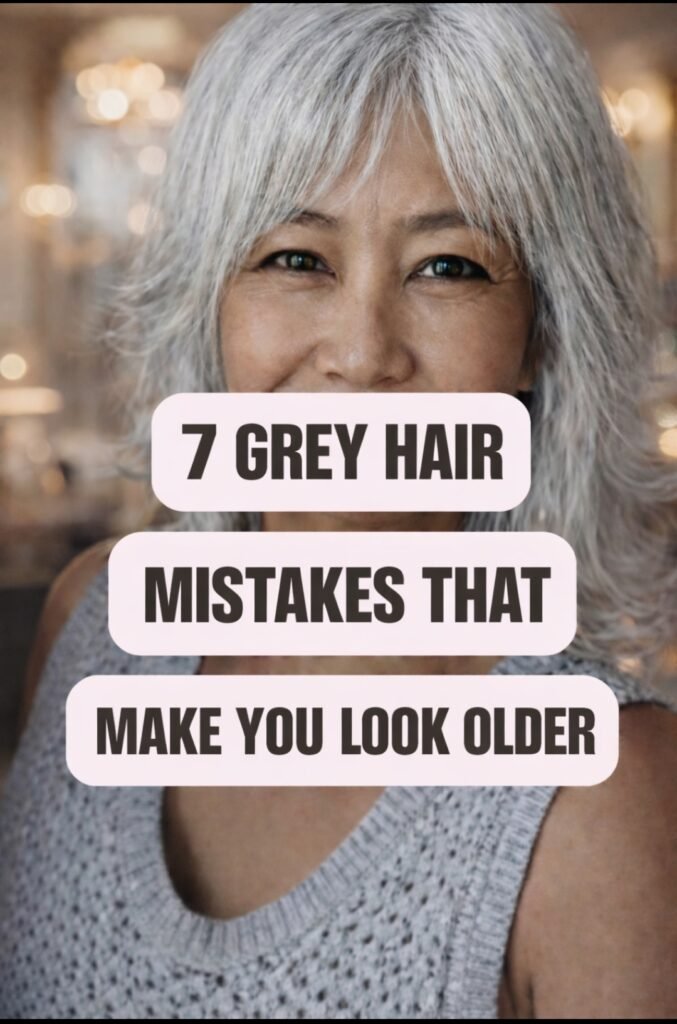
To help you out, I’ll list seven missable grey hair mistakes that make you look older. In addition to that, I’ll also show you some hair care tips for grey hair to keep you at your prettiest every single time.
Gray Hair Mistakes that Make You Look Older
Going gray doesn’t absolve you of hair care mistakes. While you may be relieved of certain hair care tasks, you’re still open to many mistakes, many of which will make you look significantly older if you keep on making them.
If you don’t fancy looking like a 70-year-old in your thirties, here are some of the gray hair mistakes you should avoid at all costs to look younger than your actual age:
1. You’re neglecting moisture and hydration
One of the biggest mistakes people make when they transition to gray hair is assuming their moisturizing routine can stay the same. Gray hair has a completely different structure than pigmented hair, and it requires significantly more hydration to maintain its health and appearance.
When hair loses its pigment, it also loses some of its natural oils and proteins. This makes gray hair more porous and prone to dryness. Without adequate moisture, your gray strands become brittle, frizzy, and wire-like, which instantly adds years to your appearance.
The texture change isn’t just cosmetic either. Dry gray hair is more susceptible to breakage and split ends, creating an unkempt look that screams “I’ve given up on my appearance.” This is exactly the opposite of what you want when you’re trying to rock your natural silver.
To combat this, you need to upgrade your moisturizing game immediately. Start incorporating a deep conditioning treatment at least once or twice a week. Look for products rich in hydrating ingredients like argan oil, shea butter, coconut oil, and hyaluronic acid.
Don’t stop at just conditioning treatments either. Your daily hair care routine should include leave-in conditioners or hair serums that lock in moisture throughout the day. These products create a protective barrier around each strand, preventing environmental factors from stripping away the hydration you’ve worked so hard to add.
Also, pay attention to how you wash your hair. Hot water might feel relaxing, but it opens up the hair cuticles and strips away natural oils, leaving your gray hair even drier than before. Switch to lukewarm or cool water for your final rinse to seal the cuticles and trap moisture inside.
2. You’re using harsh shampoos and the wrong products
If you’re still using the same shampoo you used before going gray, you’re probably doing your hair a massive disservice. Regular shampoos often contain sulfates and other harsh cleansing agents that can be too aggressive for the delicate structure of gray hair.
Gray hair needs gentler care because it lacks the protective melanin that pigmented hair has. Sulfates strip away the natural oils that your hair desperately needs, leaving it looking dull, lifeless, and significantly older. The constant stripping also makes your hair more vulnerable to damage from heat styling and environmental stressors.
Beyond just avoiding sulfates, you also need to be mindful of silicones and heavy waxes in your hair products. While these ingredients might give your hair a temporary shine, they build up over time and create a dull, weighed-down appearance that makes you look like you haven’t washed your hair in weeks.
The solution is to switch to sulfate-free shampoos specifically formulated for gray or silver hair. These products are designed to cleanse gently while maintaining the moisture balance your hair needs. They often contain purple or blue pigments that help neutralize any yellow or brassy tones that can make gray hair look dingy.
When shopping for products, read the ingredient labels carefully. Avoid anything with alcohol high up on the list, as this dries out your hair. Instead, look for nourishing ingredients like keratin, biotin, and natural oils. Your gray hair will thank you with improved texture, shine, and overall health.
Consider doing a clarifying treatment once a month to remove any product buildup. This keeps your hair fresh and ensures that your moisturizing products can actually penetrate the hair shaft instead of sitting on top of layers of gunk.
3. You’re skipping heat protection completely
Heat styling tools are a double-edged sword when it comes to gray hair. On one hand, they can help you achieve beautiful, polished looks that make your silver strands shine. On the other hand, they can absolutely destroy your hair if you’re not using them correctly.
Gray hair is more fragile than pigmented hair, which means it’s more susceptible to heat damage. When you apply heat without protection, you’re essentially cooking your hair, breaking down the protein structure and creating irreversible damage that shows up as frizz, breakage, and a straw-like texture.
The worst part is that heat damage is cumulative. Each time you use a flat iron, curling wand, or blow dryer without protection, you’re adding to the damage. Over time, this creates hair that looks aged, unhealthy, and impossible to manage, no matter how much you condition or treat it.
Many people skip heat protectant sprays because they think they’re optional or just another marketing gimmick. This couldn’t be further from the truth. Heat protectants create a barrier between your hair and the styling tool, distributing heat more evenly and preventing direct damage to the hair shaft.
Always apply a heat protectant spray or serum before using any hot tools. Spray it evenly throughout your hair, making sure every strand is coated, then wait a moment for it to dry before applying heat. This simple step can make the difference between healthy, shiny gray hair and fried, damaged strands.
Also, be mindful of the temperature settings on your styling tools. Gray hair doesn’t need the same high heat that thick, coarse hair might require. Start with lower settings and only increase the temperature if absolutely necessary. Most gray hair styles beautifully at medium heat, saving you from unnecessary damage.
4. You’re not getting regular trims
One of the most overlooked aspects of maintaining youthful-looking gray hair is getting regular trims. Many people think that once they’ve stopped coloring their hair, they can also stop worrying about haircuts. This mindset is a fast track to looking older than your years.
Gray hair is more prone to split ends and breakage than pigmented hair. When you skip trims, those split ends travel up the hair shaft, creating a scraggly, unkempt appearance that immediately ages you. The damaged ends also make your hair look thin and lifeless, even if you have a decent amount of volume at the roots.
Think about it this way: when you see someone with beautiful gray hair that looks healthy and vibrant, you can bet they’re getting regular trims. Those crisp, clean ends are what give gray hair that polished, intentional look that separates “I’m embracing my natural beauty” from “I’ve stopped caring about my appearance.”
You don’t need to chop off inches every time you visit the salon. Even a quarter-inch trim every six to eight weeks will keep your ends healthy and your overall style looking fresh. This is especially important if you’re growing out your gray, as it ensures you’re growing healthy hair rather than damaged strands.
Regular trims also help maintain the shape of your haircut. As hair grows, styles lose their structure and can start to look shapeless and dated. By keeping up with trims, you ensure your haircut always looks current and intentional, which is crucial for a youthful appearance.
If you’re on a budget, you might be tempted to stretch the time between cuts. While this might save you money in the short term, it costs you more in the long run when you eventually need to cut off several inches of damaged hair instead of maintaining healthy ends with regular small trims.
5. You’re choosing the wrong haircut for your texture and face shape
The haircut you loved in your twenties might not be doing you any favors now that you’ve gone gray. Hair texture often changes when it loses pigment, becoming coarser, wavier, or sometimes even curlier than before. What worked beautifully on your pigmented hair might fight against your gray hair’s natural tendencies.
Forcing your gray hair into a style that doesn’t work with its natural texture is a recipe for daily frustration and an aged appearance. When your haircut fights your hair’s natural behavior, you end up with frizz, flyaways, and a general look of chaos that adds years to your face.
Additionally, certain haircuts can emphasize aging features when paired with gray hair. Long, heavy styles can drag down your face, making you look tired and older. Overly short cuts without proper layering can make gray hair look sparse and thin. The wrong bangs can draw attention to wrinkles instead of your best features.
Face shape becomes even more important when you go gray. The contrast between gray hair and your skin tone is different than what you had with pigmented hair, which means you need to reconsider what frames your face best. A cut that balanced your features before might now overwhelm them or leave them unsupported.
Take the time to consult with a hairstylist who has experience working with gray hair. They can assess your hair’s new texture and recommend cuts that will work with it rather than against it. They’ll also consider your face shape, lifestyle, and styling abilities to create a look that’s both flattering and manageable.
Don’t be afraid to try something new. Sometimes the haircut you think you want is based on outdated ideas about what looks good on you. A fresh perspective from a skilled stylist can open up possibilities you never considered, leading to a more modern, youthful appearance than you thought possible.
Layers are often your friend with gray hair. They add movement and dimension, preventing that flat, heavy look that can age you. Face-framing layers in particular can brighten your complexion and draw attention to your best features while minimizing areas you’re less confident about.
6. You’re not addressing yellowing and brassiness
Gray hair doesn’t always stay that beautiful silver color you imagined. Environmental factors, product buildup, minerals in your water, and even medications can cause your gray hair to develop yellow or brassy tones that make it look dull and aged.
These unwanted tones don’t just affect your hair color; they impact your entire appearance. Yellow-toned gray hair can make your complexion look sallow and tired. It gives the impression that your hair is dirty or poorly maintained, even if you wash it regularly.
Many people don’t realize their gray hair has turned yellow because the change happens gradually. You get used to seeing yourself every day, so you don’t notice the slow shift from bright silver to dingy yellow-gray. But trust me, other people notice, and it’s aging you more than you think.
The fix for this is simpler than you might expect. Purple shampoo is specifically designed to neutralize yellow and brassy tones in gray and blonde hair. The purple pigments work on color theory principles, canceling out the yellow to reveal your natural silver shine.
However, there’s a right way and a wrong way to use purple shampoo. Using it too frequently or leaving it on too long can actually tint your hair purple, which is just as aging as the yellow tones you’re trying to eliminate. Most gray-haired individuals should use purple shampoo once or twice a week, alternating with their regular gentle shampoo.
When you do use purple shampoo, follow the instructions carefully. Typically, you’ll want to leave it on for just a few minutes before rinsing thoroughly. If your hair is particularly yellow, you can gradually increase the time, but start conservatively to avoid over-toning.
Also consider investing in a shower filter if you have hard water. Minerals in hard water are one of the main culprits behind yellowing gray hair. A filter removes these minerals before they have a chance to deposit on your hair, helping maintain that crisp, clean gray color you’re after.
7. You’re neglecting your overall hair health and scalp care
The final mistake that can seriously age your appearance is ignoring the foundation of healthy hair: your scalp. Many people focus all their attention on the visible parts of their hair while completely neglecting the scalp, which is where all hair growth begins.
As we age, our scalp produces less oil, becomes drier, and can even become irritated more easily. This creates an environment where hair can’t grow as healthily or abundantly as it should. When your scalp isn’t healthy, your gray hair won’t be healthy either, no matter how many conditioners and treatments you pile on.
Dry, flaky scalp is embarrassing and ages you instantly. It also leads to itching and irritation, which can cause you to scratch and damage your hair. Inflammation on the scalp can even disrupt the hair growth cycle, leading to thinning hair that makes you look significantly older.
Start paying attention to your scalp health by incorporating gentle exfoliation into your routine. Scalp scrubs remove dead skin cells, product buildup, and excess oil that can clog hair follicles. This creates a healthier environment for hair growth and ensures your products can actually reach your scalp instead of sitting on top of buildup.
Scalp massages are another often-overlooked tool in maintaining youthful-looking gray hair. Regular massage increases blood circulation to the scalp, bringing nutrients and oxygen to your hair follicles. This promotes healthier, stronger hair growth and can even help with hair thickness over time.
You can do scalp massages yourself using your fingertips or invest in a scalp massage tool. Just a few minutes several times a week can make a noticeable difference. Some people even report that regular scalp massage helps with stress relief, which is an added bonus.
Don’t forget about protecting your scalp from the sun either. Gray hair often provides less coverage than thick, pigmented hair, leaving your scalp more exposed to harmful UV rays. Sun damage ages your scalp and can even damage hair follicles, leading to thinner hair and a more aged appearance overall.
Use products with SPF when you’ll be spending time outdoors, or simply wear a hat. This protects both your scalp and your hair from sun damage that can dry out and weaken your already fragile gray strands.
Conclusion
Deciding to go gray is normal, but leaving your hair to become wiry and dingy after going gray isn’t. If you’d love to look younger than your age, there are specific hair care practices that you may be doing in error.
In this article, I’ve outlined seven of the most common gray hair mistakes that will only make you look older. Each of these mistakes is easy to fix once you’re aware of them, and the cumulative effect of addressing all seven can take years off your appearance.
The most important thing to remember is that gray hair requires intentional care. You can’t just let it do its own thing and expect to look polished and youthful. However, with the right approach, gray hair can be absolutely stunning at any age.
Start by assessing which of these mistakes you’re currently making. You don’t have to fix everything at once. Pick one or two areas to focus on first, then gradually incorporate the other changes as they become habits. Small, consistent improvements will lead to dramatically better-looking gray hair over time.
Remember that going gray is a choice to embrace your natural beauty, not an excuse to stop caring about your appearance. With proper care and attention to these common mistakes, your gray hair can be your crowning glory, making you look confident, sophisticated, and yes, even younger than you would with poorly maintained colored hair.

Hi, I’m Andrew Trust. For me, beauty has always been more than appearances—it’s about confidence, self-expression, and feeling your best every single day.
Over the years, I’ve explored, experimented, and discovered what truly works in hair and beauty. Not just trends or picture-perfect looks, but real techniques and tips that fit into everyday life and actually make a difference.
My goal is simple: to help you find the styles, routines, and little beauty tricks that bring out your best self—effortlessly and authentically. Beauty should feel enjoyable, empowering, and truly yours—and that’s exactly what I’m here to help you achieve.